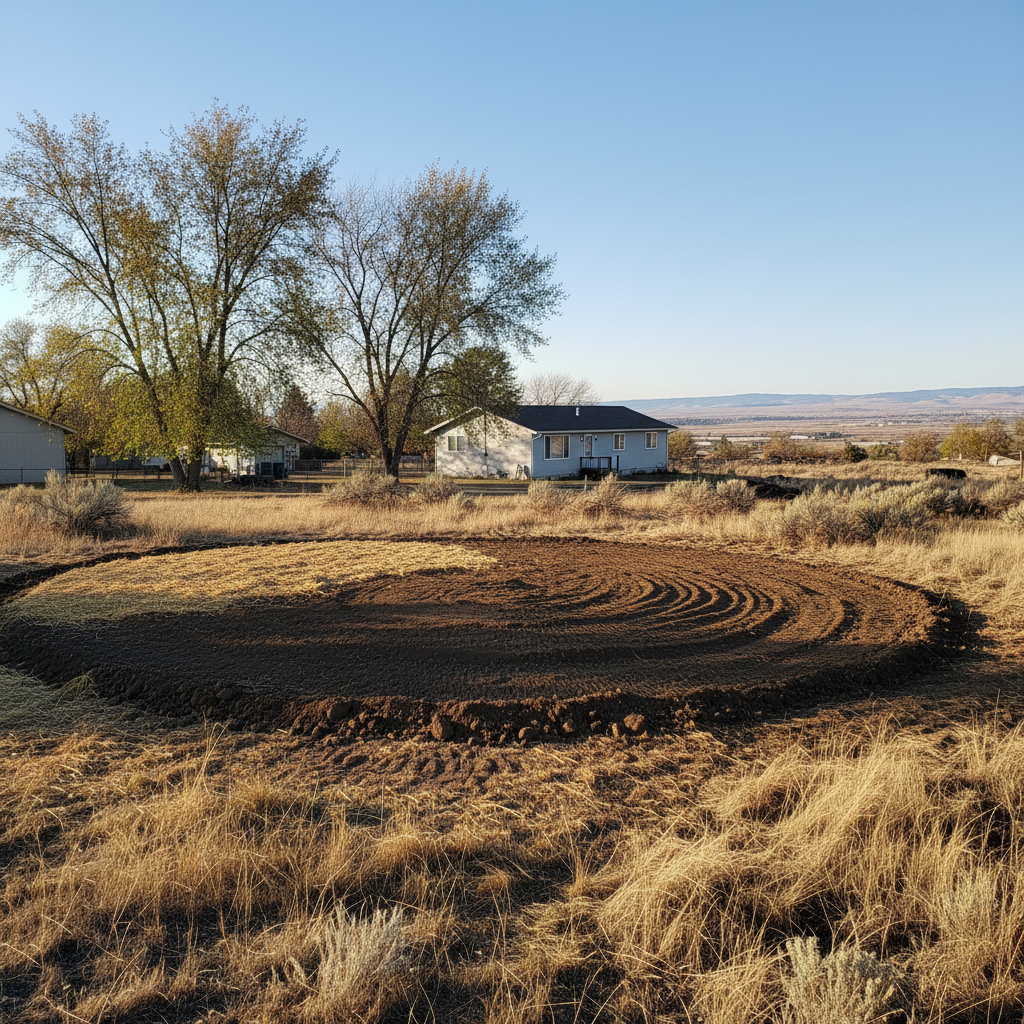
When's the best time to dig for a septic system around Moses Lake? It's a question I get a lot, and honestly, the answer isn't always straightforward. Our weather here in Central Washington plays a huge role, and if you're not thinking about it, you could end up with delays, extra costs, or even a less-than-ideal installation.
Why Timing Your Septic Dig Matters
You might think, "Just dig it when I need it," right? But with septic systems, especially the excavation part, timing can make all the difference. We're talking about heavy machinery, moving a lot of dirt, and installing critical infrastructure that needs to last for decades. The ground conditions have to be just right.
For us, the sweet spot for septic excavation is usually late spring through early fall. Why? Because that's when the ground is most cooperative. It's usually thawed out, not soaked from heavy rains, and not frozen solid. This makes for smoother, more efficient work. When the ground is too wet, you get mud, which means equipment can get stuck, trenches can collapse, and it's just a mess. When it's frozen, digging is slow, hard on equipment, and can lead to uneven trench bottoms or compaction issues that aren't good for drainage.
Moses Lake Weather and Your Septic System
Our climate here in Moses Lake is pretty unique. We get those hot, dry summers, but we also have our fair share of cold winters and sometimes some pretty wet springs. Each season presents its own challenges for excavation.
- Spring (Late March - May): This can be a good time, but you've got to watch for late-season rains and snowmelt. The ground can be really saturated. If we've had a particularly wet winter, you might need to wait a bit longer for things to dry out. Digging in mud is a nightmare and can compromise the integrity of your system's base.
- Summer (June - August): Generally, this is prime time. The ground is dry, firm, and easy to work with. We can get in, get the job done efficiently, and get out. The only real challenge is the heat, which mostly affects the crew, not the ground itself.
- Fall (September - November): Still a great window. The ground is usually still dry from summer, and temperatures are pleasant. You just need to keep an eye on the forecast for early freezes or significant rainfall, especially as we get closer to winter.
- Winter (December - February): This is the toughest time. Frozen ground makes digging incredibly difficult and expensive. We're talking about using frost rippers or even ground heaters, which add significant cost and time. Unless it's an emergency repair, I'd strongly advise against scheduling new septic excavation in the dead of winter.
I've seen folks try to push winter digs because they're in a hurry. It rarely ends well. You're looking at higher costs, potential delays, and a much harder time getting the installation just right. For instance, if you're out in the rural areas like the Mae Valley or towards Stratford, that ground can freeze solid for months. It's just not worth it unless you absolutely have no other choice.
Protecting Your Septic Investment Year-Round
Once your septic system is in, you want it to last. A good installation by a company like Classic Excavating Solutions is the first step, but ongoing care is crucial. Here are a few things to keep in mind, no matter the season:
- Know Your System's Location: Keep a map of your tank, drain field, and all components. This helps avoid accidental damage from digging or heavy equipment.
- Watch What Goes Down the Drain: This is a big one. No harsh chemicals, excessive grease, or non-biodegradable items. Your septic system is a living ecosystem, and you need to feed it right.
- Limit Heavy Traffic Over the Drain Field: Don't drive cars, park RVs, or build structures over your drain field. The weight can compact the soil, crush pipes, and damage the system's ability to drain properly.
- Regular Pumping and Inspections: Don't skip these. Depending on your household size and usage, your tank will need pumping every 3-5 years. Regular inspections can catch small problems before they become big, expensive ones.
- Mind Your Landscaping: Keep deep-rooted trees and shrubs away from your drain field. Roots love water and nutrients, and they'll find their way into your pipes, causing blockages and damage.
Thinking ahead about the weather and taking good care of your system will save you a lot of headaches and money down the road. If you're planning a septic project in Moses Lake or the surrounding areas, give us a call at Classic Excavating Solutions. We can talk through the best timing for your specific situation and make sure you get a system that's built to last.