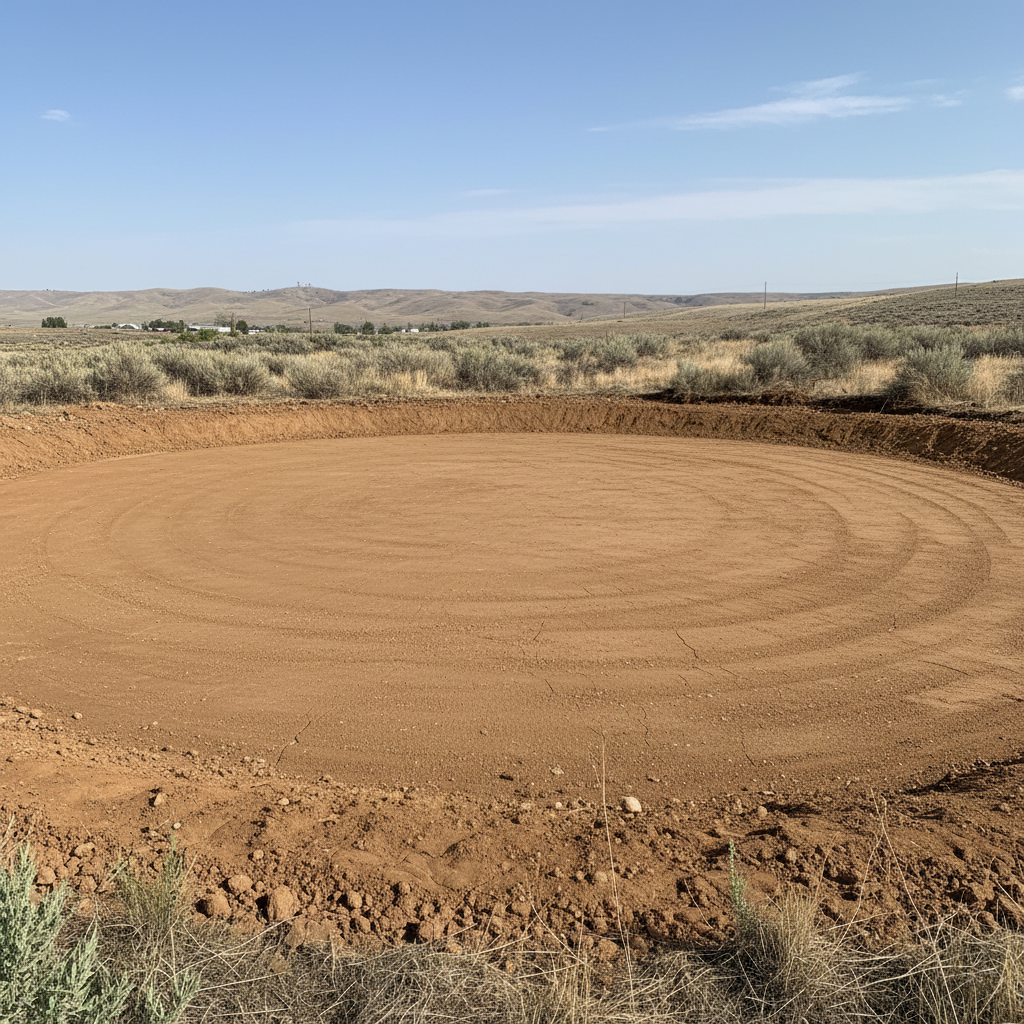
Do I even need a permit to dig a pond in Moses Lake?
Yeah, you almost certainly do. This isn't just about digging a hole in your backyard. You're dealing with water, potentially moving a lot of dirt, and impacting drainage. In Grant County, you'll need to check with the county planning department, and sometimes the Department of Ecology or even the Department of Fish and Wildlife, especially if you're connecting to any existing waterways or if it's going to be a significant size. Don't skip this step. Trust me, it's a lot easier to get the permits upfront than to deal with fines or having to fill in a pond you've already dug. We can help you understand what's needed for your specific project, but the legwork for applications is usually on the homeowner.
How long does a typical pond excavation take?
That's like asking how long a piece of string is, but I get why you're asking. It really depends on the size, the soil, and the weather. A small decorative pond, say 10x15 feet, might only take a few days of actual digging once we're on site and prepped. A larger pond, like an acre-sized irrigation or recreational pond, could be weeks. The soil here in Moses Lake can be tricky. We've got a lot of sand and gravel in some areas, which is easy to dig but might need more work to seal. Other spots have that hard caliche layer, which slows things down considerably. Plus, if we hit a high water table, that adds another layer of complexity. We always give you a realistic timeline after we've done a site assessment.
What about the dirt you dig out? Can I keep it?
Absolutely, you can! Most folks do. That excavated material, often called 'spoil,' is valuable. You can use it to create berms around the pond, build up low spots on your property, or even landscape features. Some people spread it out to level areas or use it for garden beds. If you don't want it, we can haul it away, but that's an added cost for trucking and disposal. We'll discuss options during our initial consultation. Sometimes, the soil quality isn't ideal for certain uses, so we'll let you know if it's mostly rock or too sandy for what you have in mind.
Will my new pond hold water, or will it just drain away?
That's a critical question, and it's all about site assessment and proper construction. The soil type is the biggest factor. If you've got a lot of clay, you're usually in good shape. If it's sandy or gravelly, like some of the areas near the lake, we might need to line it. There are a few ways to do that: a compacted clay liner, a synthetic liner (like EPDM or PVC), or even bentonite clay. We'll do soil tests to figure out your specific situation. The goal is always to create a watertight basin so you're not constantly losing water. We've seen plenty of DIY pond projects turn into expensive holes because they didn't account for the soil, so don't underestimate this part.
How deep should I make my pond?
Again, it depends on what you want the pond for. For a purely aesthetic, shallow pond with plants and maybe some goldfish, 2-3 feet in the shallowest parts is fine. If you're planning on fish like trout or bass, especially for year-round survival through our Moses Lake winters, you'll need a deeper section, usually at least 8-10 feet. This depth helps prevent the entire pond from freezing solid and provides thermal stability. Deeper ponds also tend to have fewer issues with algae because the water stays cooler. We'll talk through your vision and recommend depths that make sense for your goals and the local conditions.
What kind of maintenance does a pond require after excavation?
A pond isn't a 'dig it and forget it' kind of deal, especially if you want it to look good and stay healthy. Initial maintenance often involves monitoring water levels, checking for leaks, and ensuring any new plantings are taking hold. Long-term, you're looking at things like managing aquatic plants – some are good, too many are bad. You might need to deal with algae, especially in the warmer months. If you have fish, you'll need to monitor water quality. Sediment buildup is also a thing, and eventually, many ponds need to be dredged to remove accumulated muck. It's a bit like a big swimming pool, but with a natural ecosystem. We can give you some pointers on getting started, but there are also local pond specialists who can help with ongoing care.
Can Classic Excavating Solutions help with the entire pond project, not just the digging?
We focus on the excavation and earthwork, because that's our specialty and what we're best at. We'll dig the pond to your specifications, grade the surrounding area, and handle any necessary drainage. We can also help with things like creating access roads or preparing the site for other features. However, for things like installing specific liners, designing elaborate waterfalls, or stocking fish, we usually recommend bringing in specialists. We've worked with a lot of good folks in the Moses Lake area, so we can often point you in the right direction for those other trades. Our goal is to make sure the foundation – the actual hole in the ground – is done right, so your pond project starts on solid footing.