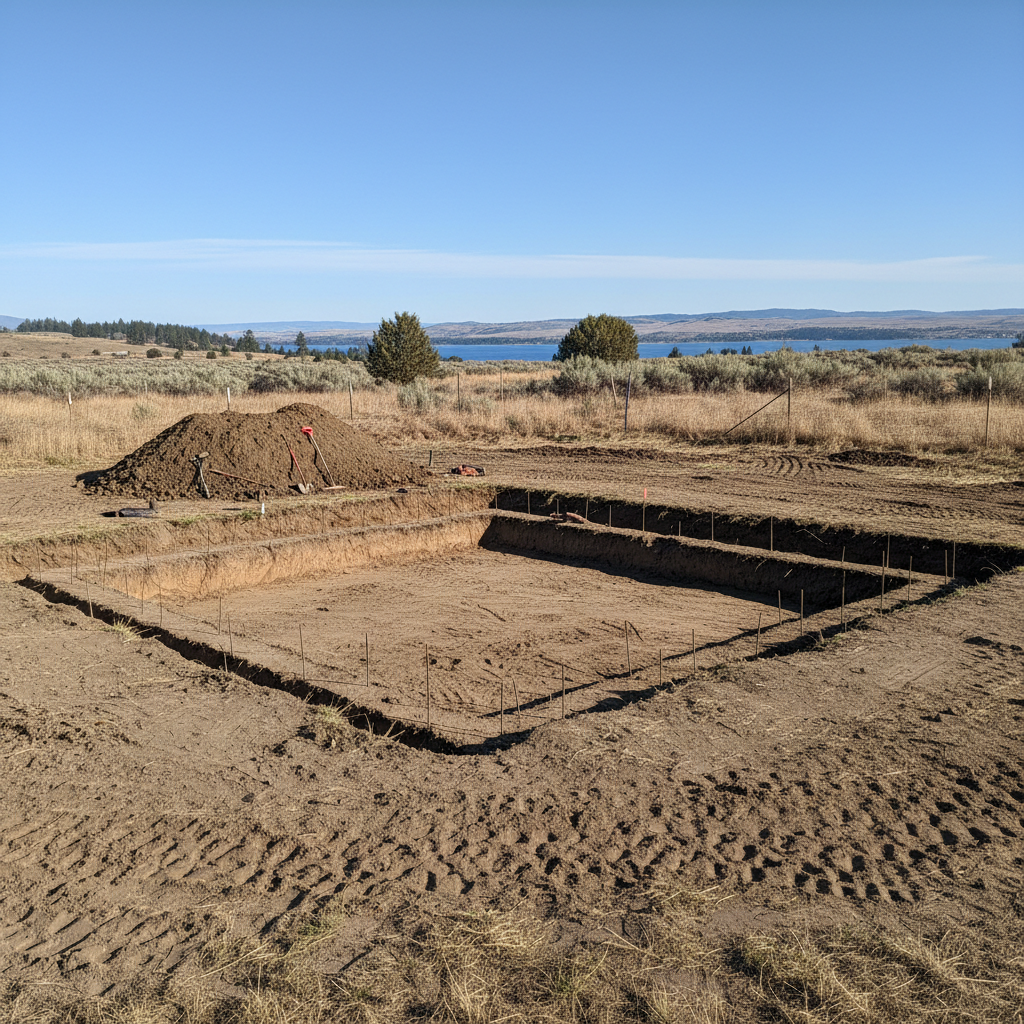
Finding a Good Excavator in Moses Lake: It's Not Just About the Price
So, you've got a project in mind – maybe a new septic system, some serious land grading, or finally getting that foundation dug for the shop you've always wanted. Great! Now comes the fun part: finding someone to actually do the digging. Look, I've been in this business a long time here in Moses Lake, and I've seen it all. Good work, bad work, and everything in between. Picking the right excavating contractor isn't just about who gives you the cheapest number. It's about getting the job done right, safely, and without headaches down the road. Here's what I tell folks to look for.
What to Ask Before They Even Touch a Shovel
When you're talking to potential contractors, don't be shy. You're hiring them for a big job, often one that can't be easily undone if it's messed up. Ask these questions:
- "Can you show me your license and insurance?" This is non-negotiable. They need to be licensed (check the Washington State Department of Labor & Industries website – it's public info) and carry proper liability insurance. If they balk, walk away. Seriously.
- "How much experience do you have with this specific type of project?" Digging a trench for a water line is different from excavating a full basement or installing a complex septic system. You want someone who knows the nuances of your particular job.
- "What's your typical process for a job like mine?" A good contractor will have a clear plan. They should be able to explain how they'll approach the site, manage soil, handle utilities, and what steps they take to ensure safety.
- "Who will be on-site doing the work, and what's their experience?" Sometimes the person you talk to isn't the one running the equipment. Make sure the crew doing the actual work is experienced and competent.
- "Can you provide references from recent, similar jobs?" And then actually call those references! Ask them about communication, timeliness, cleanliness, and if they'd hire that contractor again.
- "How do you handle unexpected issues?" In excavation, things come up. You hit an old irrigation line, find bedrock where you expected dirt, or the weather turns. A good contractor has a plan for these surprises and communicates them clearly, including potential cost impacts.
Decoding the Quote: More Than Just a Number
You'll get a few quotes, I bet. Don't just pick the lowest one. Here's what a good quote should include:
- Detailed Scope of Work: It should clearly spell out exactly what they're going to do. "Excavate for foundation" isn't enough. It should specify dimensions, depth, soil removal, backfill, compaction, and any other specific tasks.
- Itemized Costs: Look for a breakdown. How much for equipment rental? Labor? Material hauling (like if they're bringing in gravel or hauling away excess dirt)? Permitting fees? If it's just one big number, that's a red flag.
- Timeline: A realistic start and end date, or at least an estimated duration.
- Payment Schedule: When are payments due? Is there a deposit? When is the final payment? Avoid contractors asking for a huge upfront payment.
- Contingency Clauses: What happens if they hit rock or an unmarked utility? How are changes to the scope handled and priced?
- Cleanup Plan: What will the site look like when they're done? Will they remove debris and leave it tidy?
A quote from Classic Excavating Solutions, for example, will always lay out these details so you know exactly what you're paying for.
Red Flags to Watch Out For
Trust your gut. If something feels off, it probably is. Here are some common red flags:
- High-pressure sales tactics: "Sign today or the price goes up!" No thanks.
- Cash-only deals: This is a big one. It often means they're trying to avoid taxes or aren't properly licensed and insured.
- No written contract or vague contracts: Everything should be in writing. Period.
- Unwillingness to provide references or proof of insurance: Again, if they can't or won't, move on.
- Demanding a large upfront payment: A reasonable deposit is fine, but if they want half or more of the total cost before they even start, be wary.
- Driving an unmarked truck or using rental equipment for everything: Not always a deal-breaker, but it can indicate a less established business.
- Promises that sound too good to be true: They usually are.
Verifying Legitimacy: A Little Homework Goes a Long Way
Before you commit, do a quick check:
- Washington State L&I Website: Search their contractor license number. It'll tell you if they're active, bonded, and insured. You can also see if there are any complaints against them.
- Online Reviews: Google, Yelp, Facebook, etc. Take them with a grain of salt (some people just like to complain), but look for patterns. Are there consistent complaints about similar issues?
- Better Business Bureau (BBB): Check their rating and any customer reviews or complaints.
- Local Word-of-Mouth: Ask your neighbors, friends, or other local tradespeople (plumbers, electricians) who they recommend. In a place like Moses Lake, reputation travels fast.
Hiring an excavator is a big decision for your property. Take your time, ask the right questions, and don't settle for less than a professional, transparent contractor. You'll be glad you did when your project is finished right, on time, and without any nasty surprises.