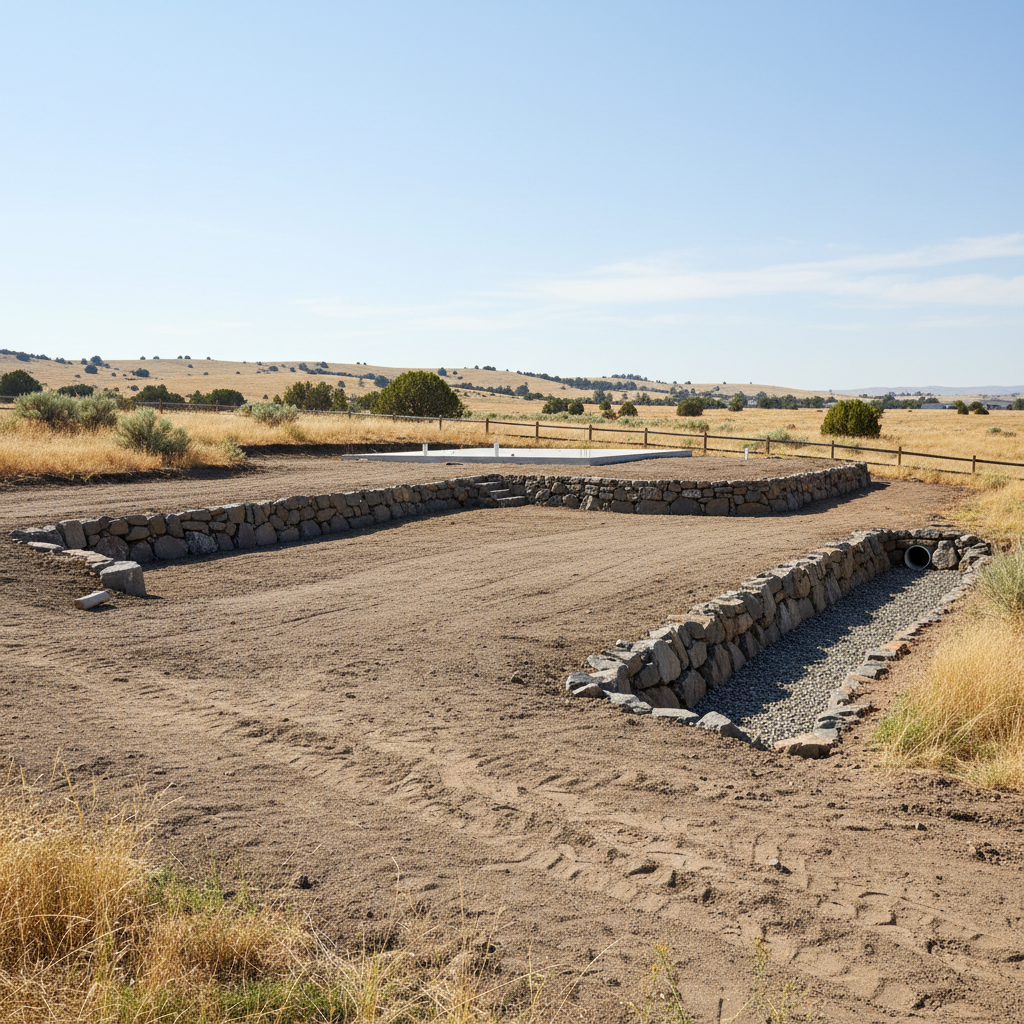
Alright, let's talk about digging. Specifically, the kind of digging that happens around your house here in Moses Lake. I've been doing this for a long time, and I've seen homeowners make some pretty common blunders when they're trying to get a project off the ground. Whether it's a new foundation, a drainage fix, or just some serious landscaping, excavation is a big deal. And if you mess it up, it can cost you a lot more than just dirt.
Mistake #1: Skipping the “Call Before You Dig” Step
This one sounds obvious, right? But you'd be amazed how many folks think they can just start digging in their backyard without making a single phone call. Look, you've got power lines, gas lines, water pipes, sewer lines, communication cables – all sorts of important stuff buried underground. Hitting one of those isn't just a minor inconvenience; it can be dangerous, expensive, and sometimes even deadly. You're legally required to call 811 a few days before you plan to dig. It's free, it's easy, and it gets those utilities marked. Don't skip it. Seriously.
Mistake #2: Not Getting Clear on the Scope of Work
This is a huge one. I've had people call me up, say "I need some dirt moved," and then get surprised when the quote doesn't match their vague idea of the job. Before you even call an excavator, sit down and think. What exactly do you need done? Are we just moving dirt? Are we grading for drainage? Do you need a trench for a new utility? Is there a specific elevation you're trying to hit? The more detailed you are, the better. If you can sketch it out, even roughly, that helps a ton. A good contractor, like us at Classic Excavating Solutions, will walk you through it, but you need to come to the table with some idea of what you want.
Mistake #3: Ignoring Soil Conditions
Moses Lake soil can be tricky. We've got areas with that sandy, silty stuff that drains super fast, and then you hit pockets of that hard, compacted caliche or even basalt rock just a few feet down. What you think is a simple dig can turn into a nightmare if you hit rock or really unstable soil. Some homeowners just assume it's all easy digging. A good excavator will know this and factor it into their plan and quote. If a contractor doesn't even ask about your property's soil or mention doing a quick test dig, that's a red flag. It means they might not be prepared for what's actually under your feet, and that can lead to unexpected costs and delays.
Mistake #4: Going with the Cheapest Bid Without Asking Questions
I get it, everyone wants a good deal. But when it comes to excavation, the cheapest bid often means cutting corners. You might get a low price because they're not insured, they're using old, unreliable equipment, or they're just not experienced enough to do the job right. Ask questions: Are they licensed and insured? Can they provide references? How long have they been doing this kind of work? What's their plan for managing water if we hit a spring or it rains? What's their process for disposing of excess dirt? A contractor who can't answer these questions clearly and confidently probably isn't the right choice. You're not just paying for someone to operate a machine; you're paying for their expertise and their ability to handle problems when they inevitably pop up.
Mistake #5: Not Planning for Spoil Disposal or Material Delivery
Where's all that dirt going to go? Seriously, it's a lot of dirt. If you're digging a foundation or a big trench, you're going to have a mountain of soil. Do you have space on your property to spread it out? Do you need it hauled away? And if you're bringing in new material – gravel, topsoil, fill dirt – where's the truck going to dump it? These logistics seem minor, but they can quickly become major headaches if you haven't thought them through. Make sure your excavator includes this in their plan and quote. You don't want a surprise bill for hauling or find yourself with a giant pile of dirt blocking your driveway.
Doing an excavation project right means a little planning and asking the right questions. Don't rush into it. Take your time, understand what you're getting into, and work with someone who knows their stuff. It'll save you a lot of grief in the long run.