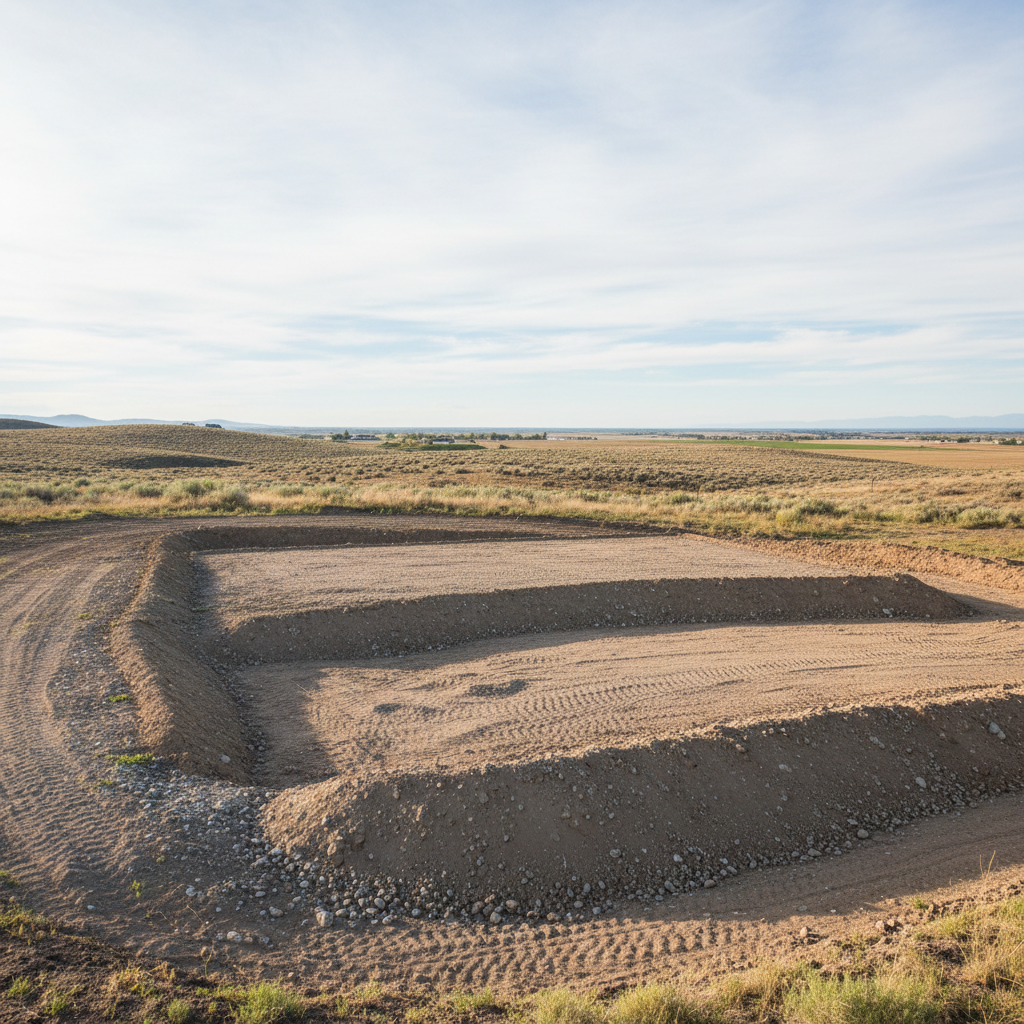
Driving a shovel into the local ground here in Moses Lake during a dry August is like hitting concrete. Between the sandy loam near the lake and those stubborn basalt pockets scattered across Grant County, local dirt has plenty of surprises waiting for anyone ready to break ground. When you are planning a build, a utility run, or major dirt work, timing is very important. It is everything.
Springtime brings its own set of challenges. While many people get the itch to start outdoor projects as soon as the snow melts off the Larson neighborhood roofs, ground moisture can disrupt heavy equipment tracks. When the frost leaves the ground, that top layer turns to muck. Bringing a thirty-ton excavator onto saturated soil causes the machine to sink right in, tearing up the yard and compacting the subgrade into a drainage nightmare. Classic Excavating Solutions often advises property owners to wait just a couple of weeks for things to dry out properly.
Summer gives us the steady production days we need, but the dust and heat take a toll on machinery. Temperatures creeping past ninety degrees mean radiator checks every few hours and dealing with bone-dry earth that kicks up thick dust clouds. When you are digging utility trenches or shaping a pad in July, water trucks are necessary to keep the dust down and get proper compaction when we start putting lifts back in.
Fall is the sweet spot for most excavation work around here. The scorching summer heat breaks, the ground still has enough moisture to dig clean without turning into a dust bowl, and you can get concrete poured before the winter freeze sets in. Getting your footings dug and utilities roughed in before October rolls around saves you from fighting frozen crusts later.
Winter demands a totally different game plan. When a deep freeze hits the Columbia Basin, that frozen top layer adds hours of work to any dig. Breaking through two feet of frozen crust requires heavy ripper teeth or sometimes even breaking equipment before the bucket can touch loose dirt. Digging in December requires extra time and machine wear.
Protecting your property after the iron leaves your site comes down to drainage. Moses Lake weather might not bring coastal Oregon rainfall, but our spring winds and sudden summer thunderstorms can carve up fresh slopes in a hurry. You must make sure your final grade pitches water away from your structures immediately. Throwing down seed and straw on raw banks helps anchor that sandy soil before the next windstorm rolls across the fields.