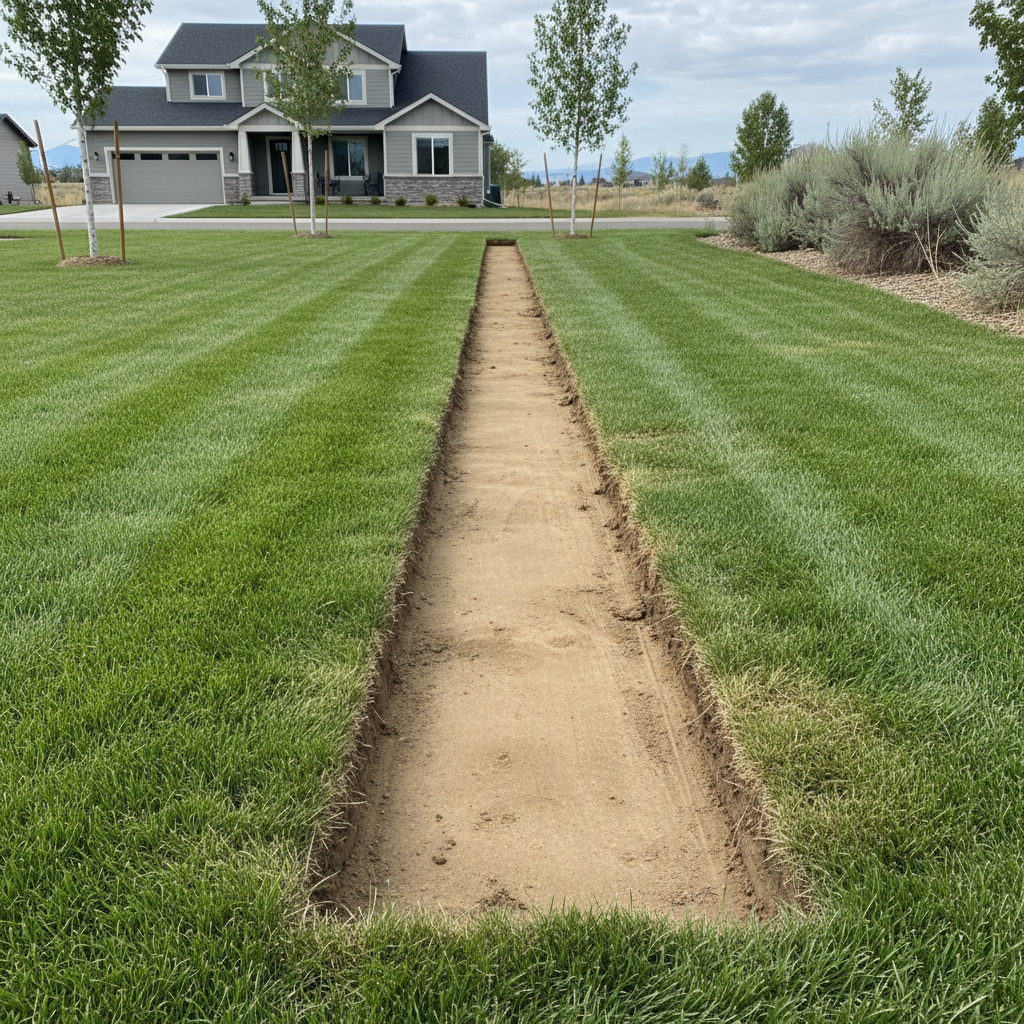
You've got utilities running underground, right? Water lines, sewer, maybe electrical or gas. If they're trenched in, you probably don't think about 'em much once the dirt's backfilled. And that's fine, mostly. But just like anything else on your property, a little attention to those trenches can save you a whole lot of grief and money down the road. I've seen plenty of issues come up over the years that could've been avoided with some basic maintenance. Let's talk about it.
Extending the Life of Your Trench Work
When we dig a trench for utilities, whether it's for a new build or an upgrade, we're doing our best to make it last. But the ground around Moses Lake, especially with our clay-heavy soils in some areas, can be tricky. The biggest thing you can do to extend the life of your trench work starts right after it's done: proper backfilling and compaction. If that wasn't done right, you're already fighting an uphill battle. But assuming it was, your main goal is to keep water from getting where it shouldn't be and causing erosion or settling.
- Good Drainage is Key: Make sure surface water drains away from the trench line, not into it. If you've got a low spot over a trench, that's a problem waiting to happen.
- Vegetation Management: Plant grass or ground cover over the trench. Roots help stabilize the soil. Just avoid big trees or shrubs with aggressive root systems directly over the lines; those roots can find their way into pipes over time.
- Don't Heavy Load It: Try not to drive heavy vehicles or equipment directly over utility trenches if you can help it, especially if they're shallow. That weight can compact the soil unevenly or even damage the pipes below.
Regular Maintenance: What to Look For
This isn't rocket science, folks. It's mostly about looking at your property with a critical eye a few times a year, especially after heavy rains or our winter thaws. Our freeze-thaw cycles here in Eastern Washington can really put stress on the ground, and by extension, your buried utilities.
- Visual Inspection: Walk the line of your trenches. Are there any noticeable depressions or sinkholes? Is the ground consistently level, or does it look like it's settling in spots?
- Water Pooling: After a rain, does water sit longer over the trench line than in other areas? That's a red flag for poor drainage or settling.
- Erosion: Look for signs of soil washing away, exposing pipes or conduits. This is more common on sloped properties.
- Vegetation Changes: Is the grass over the trench suddenly greener or browner than the surrounding lawn? This can sometimes indicate a leak (greener) or a dry spot from a broken pipe (browner).
Warning Signs of Bigger Problems
Okay, so you've been doing your regular checks. What are the big warning signs that mean you've got more than just a little settling going on?
- Sudden, Deep Sinkholes: A small depression is one thing, but if you see a sudden, significant sinkhole, especially after a period of heavy rain, that could mean a pipe has broken and the surrounding soil is washing into it.
- Standing Water Where There Shouldn't Be: If you've got water bubbling up or standing in an area that's usually dry, and it's over a water or sewer line, you've likely got a leak.
- Unusual Odors: A persistent sewage smell around a trench line is a pretty clear indicator of a sewer line breach.
- Low Water Pressure or Strange Noises: If your water pressure drops suddenly, or you hear gurgling or hissing from underground, it could be a water line issue.
- Utility Bills Spiking: A sudden, unexplained increase in your water bill without a change in usage is a classic sign of an underground leak.
When to Call a Professional
Look, you can do a lot yourself, but there are times when you need to bring in the pros. If you see any of those major warning signs I just mentioned, don't wait. A small leak can turn into a massive, expensive repair if left unchecked. A collapsing trench can damage other utilities or even create a safety hazard. This isn't the time for DIY heroics.
When you call someone, make sure they're experienced with underground utilities and trenching, especially in our local conditions. You want someone who knows how to locate the problem accurately, dig safely around existing lines, and make a lasting repair. At Classic Excavating Solutions, we've got the equipment and the know-how to handle these kinds of issues. We'll assess the situation, figure out what's going on, and give you an honest recommendation. Don't let a small problem become a huge headache; get it checked out.