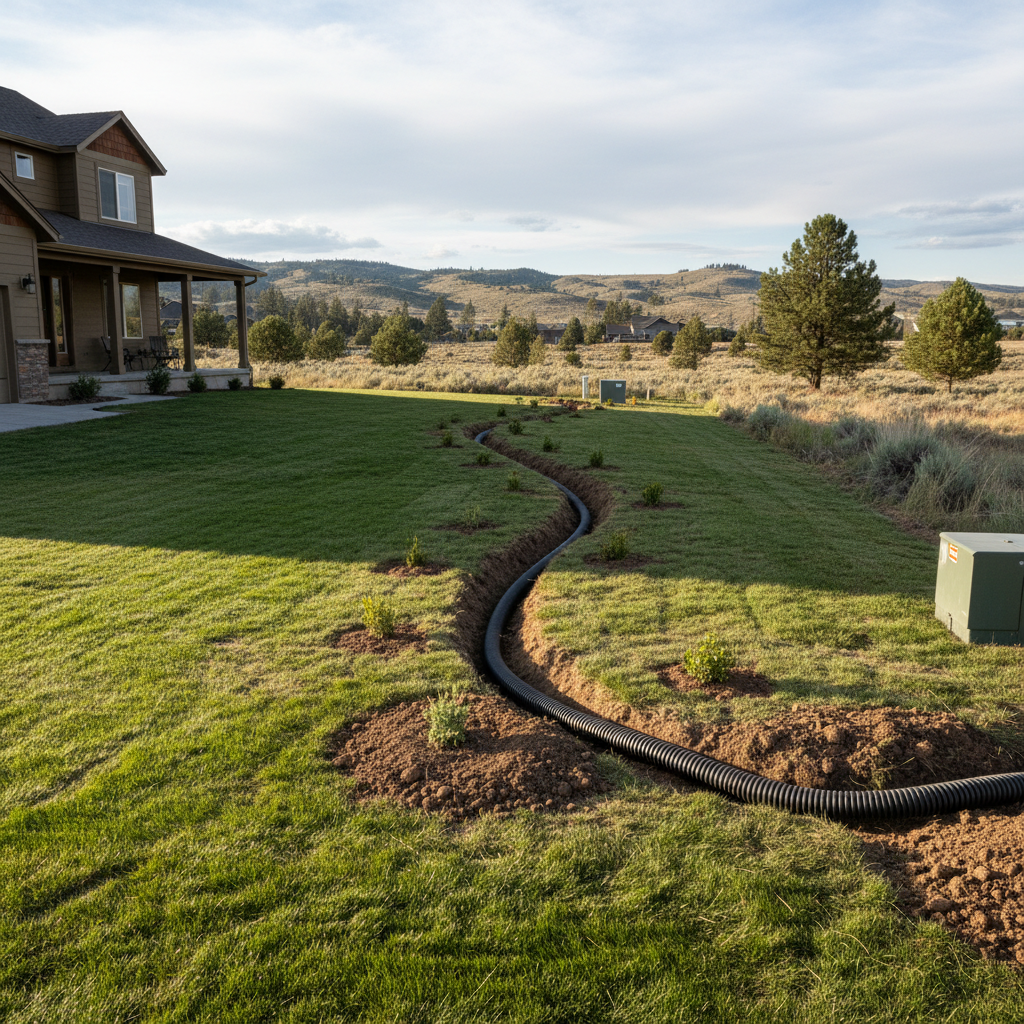
You're thinking about adding a new utility line, maybe for a detached garage, a sprinkler system, or finally getting that natural gas hookup. Good for you. But before you grab a shovel or call the first guy with an excavator, let's talk about some common mistakes I see folks make around Moses Lake when it comes to trenching. Trust me, avoiding these can save you a ton of grief and cash.
Not Calling 811 – This One's a Biggie
Seriously, this is number one for a reason. You wouldn't believe how many times I've heard stories, or even seen firsthand, someone hit a buried utility line because they thought they knew where everything was. Or worse, they just didn't think about it. Hitting a gas line, a power line, or even a fiber optic cable isn't just an inconvenience; it can be incredibly dangerous and incredibly expensive. You're talking about fines, repair costs, and potential injuries.
It's free, it's easy, and it's the law. Before any digging, even a small trench for a garden bed, call 811. They'll mark out all the public utilities. Do it a few days before you plan to start, because they need time to get out there. Don't assume anything, especially with how much development we've seen around here, like out in the Westlake area. Things change, and old maps aren't always accurate.
Hiring the Cheapest Bid
Look, I get it. Money talks. Everyone wants a good deal. But when it comes to something as critical as utility trenching, the cheapest bid often comes with hidden costs. I've seen contractors who underbid because they're not licensed, not insured, or they cut corners on materials and safety. What seems like a bargain upfront can quickly turn into a nightmare.
Think about it: if they hit a line because they didn't call 811, who pays? If they damage your property and aren't insured, guess who's on the hook? If they use shoddy pipe that leaks in a year, you're paying to dig it all up again. Always ask for proof of licensing and insurance. Get multiple bids, but don't just pick the lowest one. Compare what's included, ask about their experience, and check references. A reputable company like Classic Excavating Solutions might not always be the absolute cheapest, but we're going to do the job right and stand by our work.
Ignoring Soil Conditions
Moses Lake soil can be tricky. We've got everything from sandy loam to some pretty stubborn clay, and sometimes you hit rock just a few feet down, especially closer to the basalt flows. What might be an easy dig in one part of town could be a major excavation challenge just a few blocks away. Homeowners often underestimate how much this impacts the project.
If you're trying to DIY, hitting a patch of hardpan or rock can stop you dead in your tracks. If you hire someone who doesn't account for it, you could be looking at change orders and unexpected costs. A good contractor will assess the soil, know what equipment is needed, and give you a realistic estimate based on those conditions. Don't just assume it's all soft dirt.
Not Understanding Local Codes and Permits
This is another one that can really bite you. Depending on what utility you're installing and where, you'll likely need permits from the city or county. There are specific requirements for trench depth, setback distances from structures, proper backfilling, and how utilities cross each other. Forgetting permits or not adhering to codes can lead to fines, having to re-do work, or even worse, safety hazards.
A professional excavator knows these codes inside and out. They'll handle the permitting process or at least guide you through it. Don't try to sneak around it; it's just not worth the risk. It's all about making sure the job is done safely and correctly, protecting your property and our community.
Poor Planning and Communication
Before any dirt gets moved, you need a clear plan. What exactly are you trying to achieve? Where do you want the trench to go? What's the final elevation? How will it drain? I've seen projects where the homeowner changes their mind halfway through, or they didn't clearly communicate their vision to the contractor. This leads to delays, extra costs, and frustration for everyone.
Take the time to draw out what you want. Talk through every detail with your contractor. Ask questions. Make sure you both understand the scope of work, the timeline, and the expected outcome. Good communication upfront prevents a lot of headaches down the road.
So, if you're planning a trenching project here in Moses Lake, take these points to heart. Do your homework, ask the right questions, and don't cut corners. It'll save you a lot of trouble in the long run.