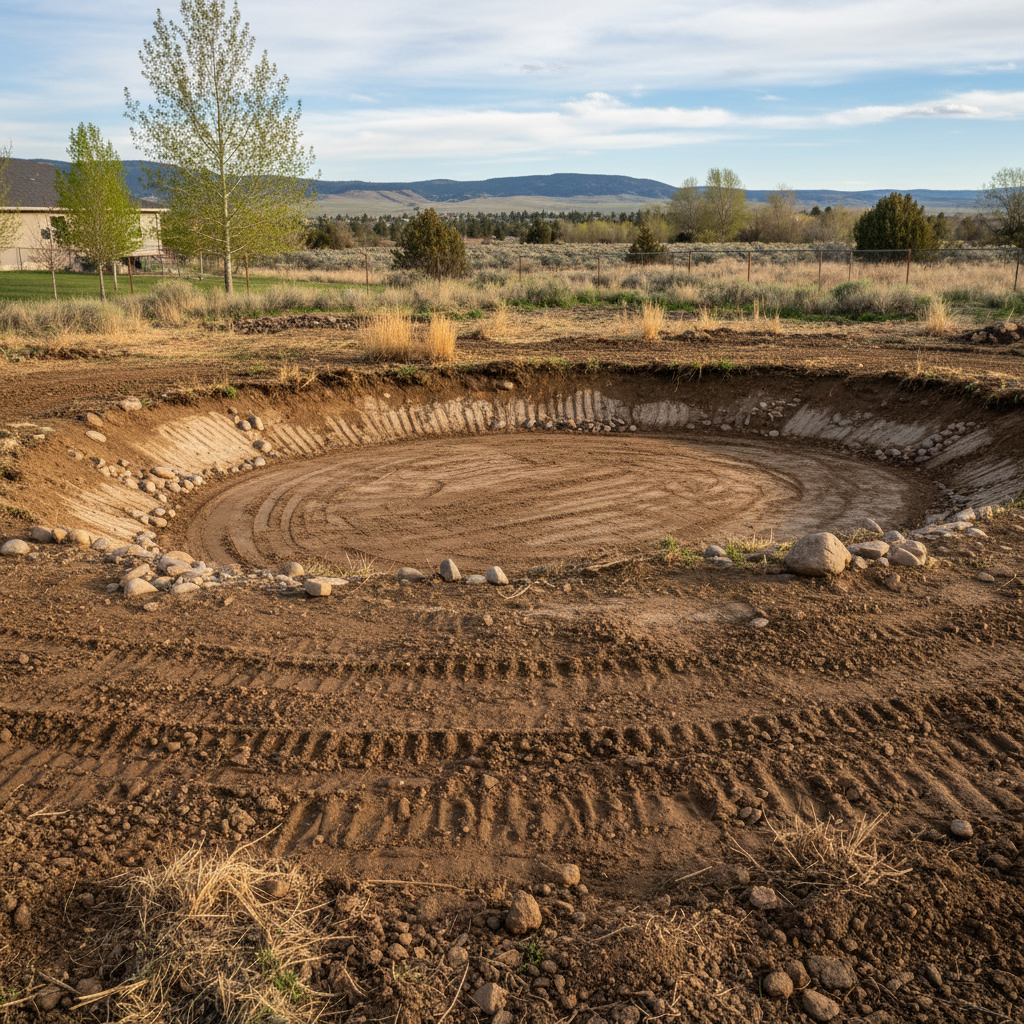
So, you're dreaming of a backyard pond, huh? Maybe for some koi, a swimming hole, or just to boost your property's natural beauty. It's a great idea, especially out here in Moses Lake where a water feature can really make a difference. But before you start marking out the shape with a garden hose, let's get real about what it takes to dig a pond around here.
Before You Dig: The Homework Phase
Look, I get it. You see a spot in your yard and think, 'Perfect for a pond!' But there's a lot more to it than just digging a hole. First off, permits. You can't just go digging up your land willy-nilly. You'll need to check with the county and maybe even the city, depending on where you're located. They'll want to know about size, depth, and how you plan to manage runoff. Don't skip this step; fines are a lot more expensive than a permit application.
Next up, utilities. I can't stress this enough: call 811 before you even think about putting a shovel in the ground. You do not want to hit a gas line, a power cable, or a water main. It's dangerous, expensive, and a huge headache. They'll come out and mark everything for free. Seriously, do it.
Then there's your soil. This is a big one in Moses Lake. We've got a lot of different soil types, from sandy loam to some pretty dense clay. What kind of soil you have dictates how you'll build your pond. If it's too sandy, you'll need a liner, no question. If you've got good clay, you might be able to get away with a compacted clay liner, but that's a whole different ballgame. You can do a simple perk test yourself – dig a small hole, fill it with water, and see how fast it drains. If it drains quickly, you're looking at a liner.
Designing Your Dream Pond
Think about what you want this pond for. Is it purely ornamental? A wildlife haven? A place to swim? That'll dictate the size, depth, and shape. For fish, you'll need a certain depth to prevent it from freezing solid in winter or getting too hot in summer. For swimming, you'll want easy access and a safe, non-slip edge.
Consider the sun exposure too. Too much sun can lead to algae problems. Too little, and your aquatic plants might not thrive. Think about where the runoff from your roof or driveway goes. You don't want all that dirty water ending up in your pristine pond.
The Digging Itself: DIY or Pro?
Alright, here's where we talk about what you can realistically do yourself. For a small, shallow, ornamental pond – say, less than 100 square feet and a couple of feet deep – you might be able to tackle it with some serious elbow grease and a good shovel. You'll still need to haul away the dirt, which can be a bigger job than you think. A wheelbarrow gets heavy fast.
But for anything larger, deeper, or if you're dealing with tricky soil, you're going to need equipment. And that's where Classic Excavating Solutions comes in. Renting a mini-excavator might seem like a good idea, but operating one takes skill and experience. It's not like driving a car. You can easily damage your property, hit a utility line you missed, or even injure yourself. Plus, you've got to get the machine to your property, fuel it, and return it. It adds up.
When you hire a pro, you're not just paying for the machine; you're paying for someone who knows how to operate it efficiently and safely. We know how to shape the banks properly, create shelves for aquatic plants, and ensure proper drainage. We can move a lot of dirt quickly and get the job done right the first time. For anything beyond a glorified puddle, I'd strongly recommend calling in the experts.
After the Dig: Liner, Water, and Landscaping
Once the hole is dug, whether by you or us, you'll need to install the liner if your soil isn't naturally watertight. This is crucial. Get a good quality, durable pond liner. Don't skimp here; a cheap liner will tear, and then you've got a much bigger problem. You'll need to smooth out the bottom, remove any sharp rocks or roots, and lay down an underlayment before the liner goes in. Then, carefully position the liner, making sure there are no wrinkles, and secure the edges.
Filling the pond is exciting, but don't just turn on the hose and walk away. Fill it slowly, checking for leaks. Once it's full, you'll want to let the water settle and treat it if necessary before adding any fish or delicate plants. This is also when you start thinking about pumps, filters, and aeration, especially if you're planning on keeping fish.
Finally, the landscaping around the pond. This is where you really make it yours. Add native plants that thrive in our Moses Lake climate, like cattails or sedges, to help naturalize the edges and provide habitat. Rocks, gravel, and even small waterfalls can add a lot of character. Just remember to keep the edges safe and accessible.
Building a pond is a big project, but it's incredibly rewarding. Do your homework, know your limits, and don't be afraid to call in help when you need it. A well-built pond can bring years of enjoyment to your property.