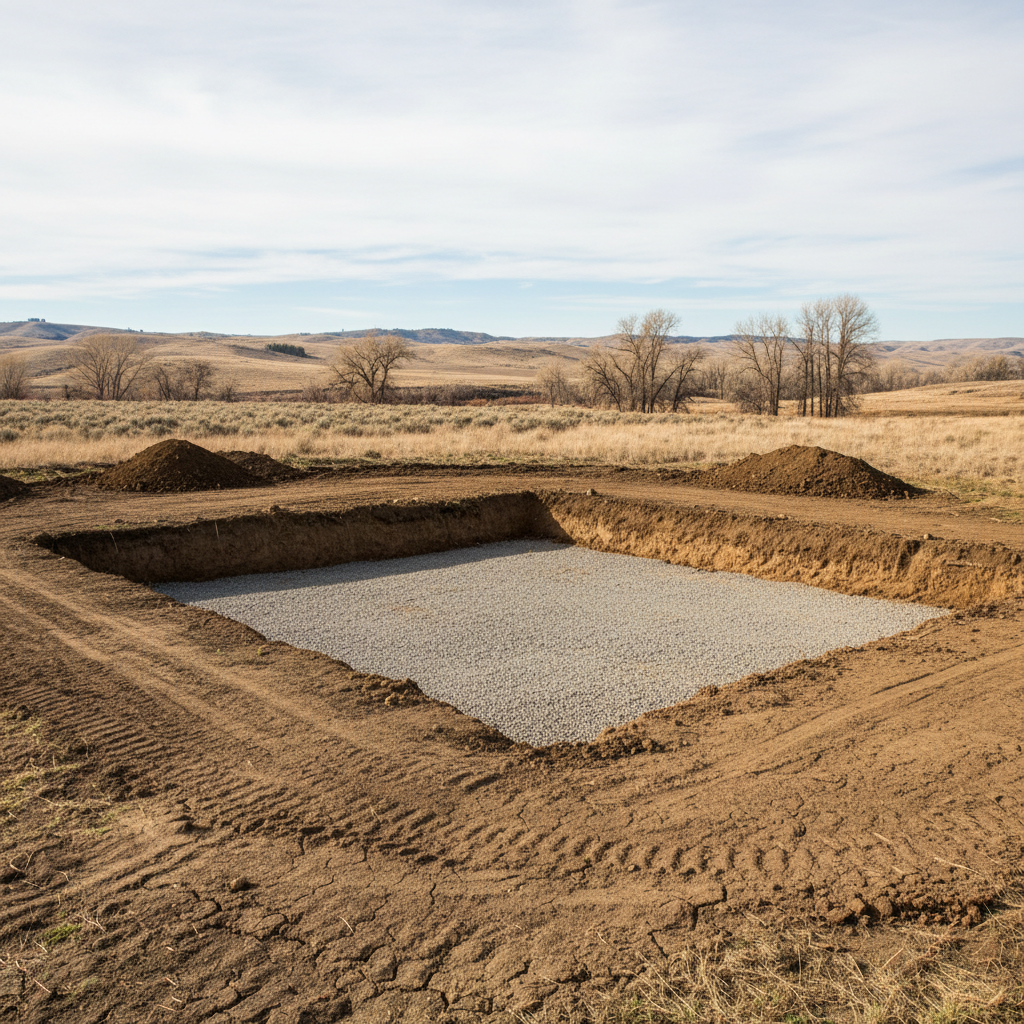
Let us talk about dirt. If you are a homeowner in Moses Lake, you know our climate is not like everywhere else. This means that when you are planning any kind of Excavation Work, you cannot just pick a random day and expect the best results. This applies whether it is for a new foundation, a utility trench, or even some serious grading. You have to dig smart, and that means understanding how our seasons impact the ground beneath your feet in Moses Lake.
When is the Best Time to Break Ground for Excavation Work?
There is not one single perfect time for Excavation Work in Moses Lake. However, some seasons definitely offer more advantages than others. It really comes down to what you are trying to do and what the weather is doing that particular year.
- Spring (March - May): This is often a good time for Excavation Work. The ground has thawed out from winter, but it has not dried out to a concrete-like state yet. Moderate temperatures make for comfortable working conditions. The soil is usually workable without being overly saturated. You will find that the soil is less likely to be frozen or too wet, which is ideal for digging. Just watch out for those spring rains in Moses Lake. Heavy downpours can turn a site into a muddy mess, slowing things down as well as making equipment get stuck.
- Summer (June - August): Long daylight hours and generally dry conditions make summer a productive time for Excavation Work. The ground is firm, which is great for heavy equipment access as well as proper compaction. However, our Moses Lake summers can get very hot and dry. That dry soil can compact like concrete, making it tougher to dig as well as putting more strain on equipment. In addition, working in 90-degree heat is not fun for anyone, and crews need more breaks.
- Fall (September - November): Fall offers a good balance for Excavation Work. The temperatures are cooler, which is a relief after summer. We often get some moisture that makes the soil more workable without being too wet. This is a great window to get projects done before the real winter freeze sets in for Moses Lake.
- Winter (December - February): This is generally the toughest time for Excavation Work in Moses Lake. Frozen ground is hard to dig through. It dulls blades as well as wears down equipment. We have a minimum frost depth of 18 inches here in Moses Lake, and some sources even suggest 24 inches or more. Digging below that frost line is important for things like foundations as well as utility lines. This helps prevent frost heave, which is when freezing water in the soil pushes things up and causes damage. While emergency repairs can happen, planning major Excavation Work projects in winter will likely mean higher costs as well as slower progress.
Weather Conditions That Really Matter for Excavation Work
It is not just about the season for Excavation Work. It is about the specific conditions Mother Nature throws at us in Moses Lake.
- Moisture Levels: This is very important. If the ground is too wet, you are dealing with mud, unstable trenches, and potential cave-ins. If it is too dry, the ground is hard as a rock, making digging slow as well as tough. The good spot is moist soil, but not saturated soil.
- Temperature: Extreme cold means frozen ground. Extreme heat can lead to equipment overheating as well as crews getting tired. Moderate temperatures are always best for Excavation Work.
- Wind: Wind is not as important as moisture or temperature for the digging itself. However, strong winds can kick up a lot of dust, especially in our drier months in Moses Lake. This affects visibility as well as air quality, which can slow things down.
Protecting Your Excavation Work Investment Year-Round in Moses Lake
Once the digging is done, your job is not over. You have to protect that investment, especially with our local conditions in Moses Lake.
First, think about our soil in Moses Lake. Moses Lake has a mix of sandy loam, silty clay, and in some areas, caliche or even basalt rock. Sandy loam and silty clay are generally easier to work with, but they need proper compaction. If you have rock or caliche, that means specialized equipment was probably needed. That is an extra layer of planning as well as cost for your Excavation Work.
Proper drainage and grading are important. With our occasional heavy rainfall and varied soil, water pooling around foundations or in low spots can lead to big problems later on. Make sure any Excavation Work includes a solid plan to direct water away from your structures. At Classic Excavating Solutions, we always make sure to use precise grading to prevent issues like foundation damage as well as landscape erosion in Moses Lake.
If you have had utility lines trenched, remember that our seasonal changes, especially freezing temperatures, can affect them. Improperly dug trenches can leave lines open to frost heave, leading to cracks or shifts. Make sure your lines are buried deep enough. This is often 30 inches for water lines here in Moses Lake. This depth helps protect against that frost. Classic Excavating Solutions always follows these guidelines for utility Excavation Work.
Ultimately, a well-planned Excavation Work project considers all these factors. It is about knowing our local Moses Lake environment. This includes the soil composition near the Port of Moses Lake as well as the specific weather patterns we experience. Getting it right at the start saves you headaches as well as money in the long run. Do not hesitate to reach out to Classic Excavating Solutions if you have questions about your specific Excavation Work project in Moses Lake.