So, you've got an old shed, a dilapidated garage, or maybe even an entire house you want gone. Demolition excavation isn't just about knocking things down, you know; it's a whole process that needs careful planning if you want to avoid headaches and unexpected costs. As a local guy who's been doing this for years, I've seen it all. Here's what you need to know to get your project off the ground right here in Moses Lake.
Setting Your Project Timeline
How long does this all take? That's usually the first question I get. The truth is, it varies a lot depending on the size and complexity of what you're tearing down. A small shed might be a few days from start to finish. A full house demo, though, could easily stretch into weeks, especially when you factor in permits and utility disconnections.
Here's a rough breakdown of what you're looking at:
- Permitting (2-6 weeks): This is often the longest waiting game. You can't just start swinging. You'll need permits from the city or county. They'll want to know what you're demolishing, how you're doing it, and what you're doing with the debris. Don't skip this. Building codes are there for a reason, and you don't want to get fined or have your project shut down.
- Utility Disconnection (1-4 weeks): Before any heavy equipment touches the structure, all utilities – power, gas, water, sewer, communication lines – need to be safely disconnected and capped. This isn't something you can do yourself; the utility companies have to handle it. Schedule this well in advance.
- Asbestos/Hazardous Material Abatement (Varies): If your structure was built before a certain year (generally pre-1980s), there's a good chance it contains asbestos or other hazardous materials. You absolutely need to have it inspected. If found, abatement is a specialized process that adds time and cost. Don't mess around with this; it's a health and safety issue.
- Actual Demolition & Site Clearing (A few days to 2 weeks): Once everything else is cleared, the physical demolition can happen pretty quickly. Then comes the cleanup – hauling away debris, grading the site, and getting it ready for whatever's next.
So, from the moment you decide to demo to the moment the site is clear, you're usually looking at anywhere from 6 to 12 weeks. Sometimes more for bigger jobs or if you hit snags with permits or abatement.
What to Expect During the Process
When the crew shows up, what's it actually going to look like?
First, expect noise and dust. We're talking heavy machinery here. If you live close to neighbors, it's a good idea to give them a heads-up. We always try to minimize disruption, but some is inevitable.
You'll see excavators, skid steers, dump trucks, and maybe even a hydraulic breaker if we're dealing with concrete foundations. Our guys focus on safety, first and foremost. That means setting up exclusion zones, wearing proper PPE, and following a demolition plan.
We systematically dismantle or bring down the structure, separating materials as we go. Wood, metal, concrete, and roofing materials often get sorted for recycling or proper disposal. We're not just making a big pile of junk; we're trying to be as efficient and environmentally responsible as possible.
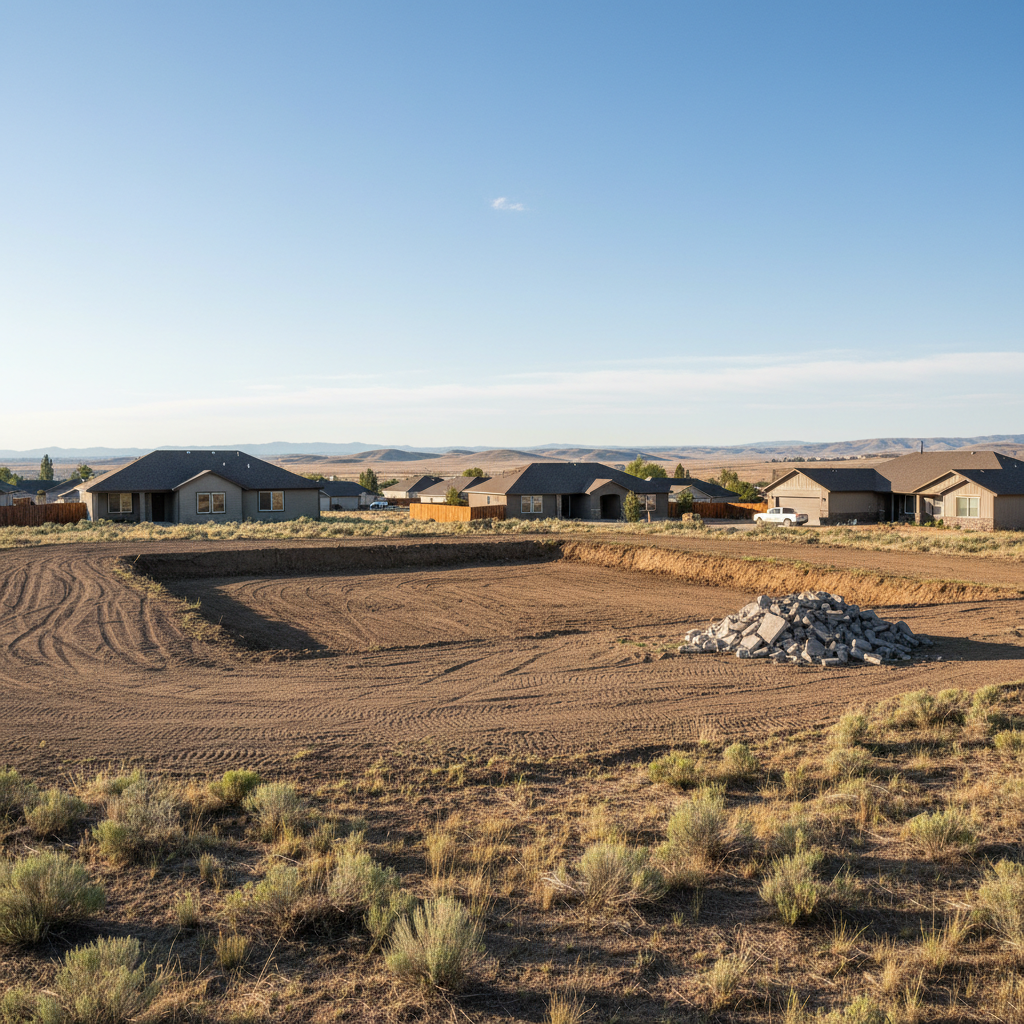
After the structure is down, the real excavation part of demolition kicks in. We remove the foundation, any buried debris, and then grade the site. This is where Classic Excavating Solutions really shines – making sure your land is left clean, level, and ready for whatever you've got planned next, whether it's a new build or just a nice, clear yard.
How to Prepare Your Property
You can do a lot to help things go smoothly before we even get there.
- Clear the Area: Remove anything you want to keep from inside or around the structure. Furniture, appliances, personal belongings, landscaping features – get it all out.
- Secure the Site: If the structure is unsafe, make sure it's fenced off or clearly marked to prevent unauthorized access. Kids are curious, and an old building can be a magnet for trouble.
- Inform Neighbors: A quick chat with your neighbors about the upcoming work can go a long way in maintaining good relations. Let them know what to expect regarding noise and dust.
- Review Your Plans: Double-check your future plans for the site. Will you need a new foundation? Utility hookups? Knowing this helps us grade the site correctly the first time.
- Have Documents Ready: Keep your permits, utility disconnection confirmations, and any hazardous material reports handy for the crew.
Questions to Ask Before Signing a Contract
Don't just go with the first bid. Here are some key questions you should be asking any contractor:
- Are you licensed and insured for demolition work in Washington State? This is non-negotiable. You need to be protected.
- What's included in the price? Does it cover permits, utility disconnections, hazardous material testing/abatement, debris removal, and final grading? Get a detailed breakdown.
- How do you handle hazardous materials like asbestos or lead paint? They should have a clear, compliant process.
- What's your plan for dust and noise control? Especially important if you're in a residential area like the neighborhoods around Blue Heron Park.
- What's your estimated timeline, and what factors could cause delays? A good contractor will be upfront about potential issues.
- Can you provide references from similar demolition projects? Talk to past clients.
- What's your approach to site cleanup and restoration? You want the site left clean and ready for its next phase.
- Do you provide a written contract that details all scope of work, costs, and timelines? Absolutely essential.
Demolition excavation might seem daunting, but with the right planning and the right crew, it doesn't have to be. We're here to help you get it done right, safely, and efficiently. Give us a call when you're ready to talk about your project.